




Put simply, mitigation is the work of holding damage to its current size. Repair is a different job. Mitigation covers the steps taken ahead of repairs so undamaged materials stay that way. For Shawnee homes, that means we stop the source, pull the water out, seal off wet areas and get the structure stable. When this stage goes right, there is less to rebuild afterward, occasionally nothing at all.
Many homeowners treat restoration and mitigation as one and the same. They are two phases. During mitigation, the urgent part, the loss is halted, its spread is limited and the home is made stable. Afterward comes restoration, when dryness is verified and ruined flooring, drywall and finishes get fixed or rebuilt. Insurers treat them as separate line items too, so it helps to know which phase you are in.
Four tasks make up most mitigation visits. One: control the source and cut off any new water. Extraction, so standing water is gone. Three: contain the area with plastic sheeting and managed airflow, so clean rooms stay free of moisture and contaminants. Fourth is stabilization: unsalvageable materials come out, surfaces receive antimicrobial treatment, and dehumidifiers and air movers are placed. Along the way, your belongings and furniture get moved or set up on blocks to keep them safe.
When to Call for Water Damage Mitigation in Shawnee
Recognizing the warning signs early can save you time, money, and prevent significant damage to your property. Here are the most common indicators that it's time to call a professional:
- Rain is getting inside through a damaged roof or an open window gap.
- Flooring is carrying moisture past the doorway to an adjoining room.
- Your insurer has told you to take reasonable steps to prevent further damage.
- After a leak, the baseboards have swollen or started separating from the wall.
- A plumber fixed the pipe but nobody has dealt with the water.
- Wet materials have sat for a day and a musty smell is starting.
- Following a water loss, indoor air stays damp and condensation forms on the glass.
Early Action Saves Money
What seems like a minor issue today can turn into a major expense tomorrow. Call Shawnee Restoration at (916) 644-7204 at the first sign of trouble.
Water Damage Mitigation Issues? We Can Help.
Our IICRC-certified technicians are standing by to help.
Call (916) 644-7204 NowMaintenance Tips for Water Damage Mitigation
Taking preventive measures can help you avoid costly water damage issues down the road. Follow these tips from our IICRC-certified technicians:
- Once a month, look beneath sinks and near toilets for stains, drips or soft spots in the floor.
- Trade rubber washer hoses for braided steel, and renew them roughly every five years.
- Get the water heater checked every year, and replace it ahead of a tank failure.
- Clean the gutters regularly, and aim downspouts so they discharge away from the foundation.
- Never switch the furnace fully off in freezing weather, since pipes can freeze and split.
- A main shutoff that will not turn is no help, so locate and test yours.
The Benefits of Professional Water Damage Mitigation
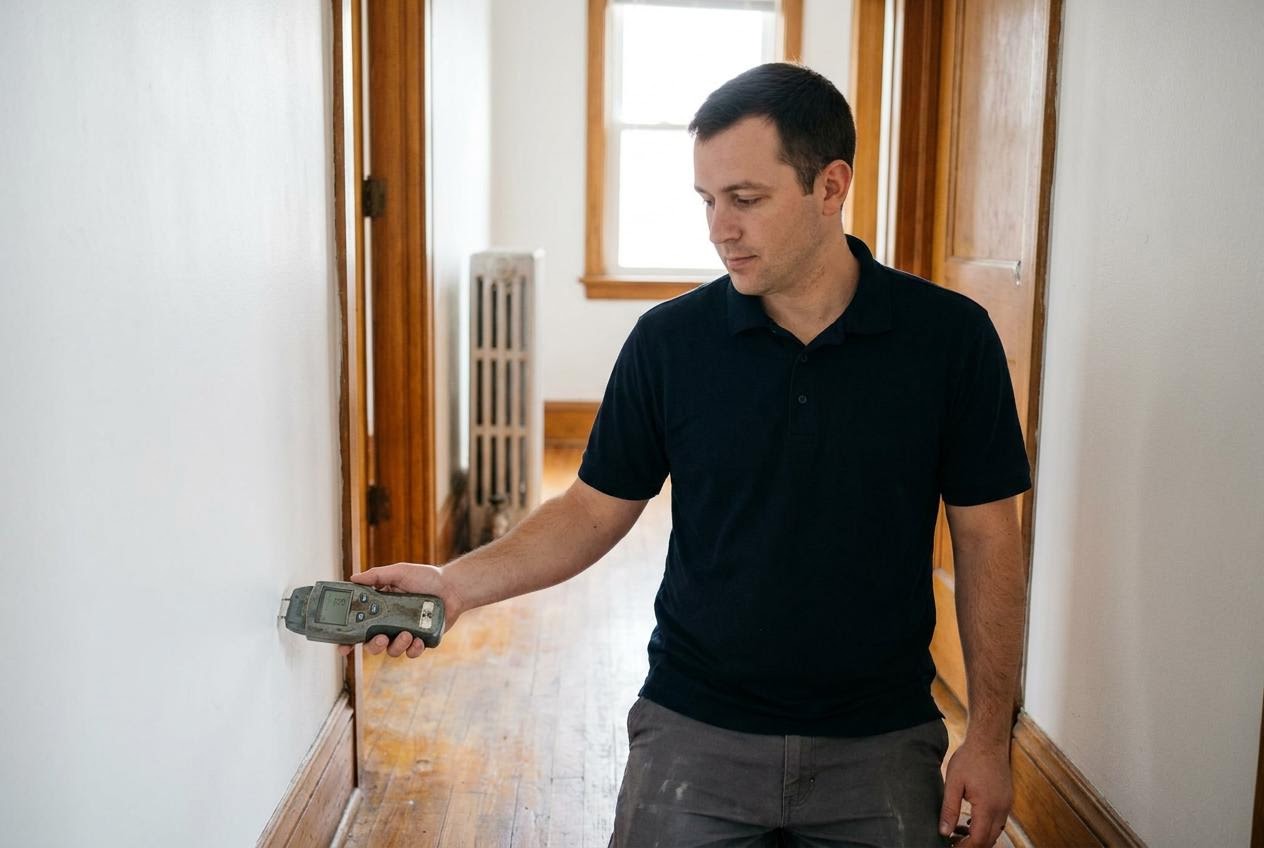
Fast decisions, one after another, are what mitigation consists of. Which drywall can be dried in place and which has to be cut out? Which category applies, 1, 2 or 3, and did that change after the leak first began? Does the cabinet toe kick need to come off? Each decision rests on meter readings and our training, never on whether something seems dry to the eye or hand.
Your insurance claim benefits from proper mitigation too. Owners are required by most policies to take reasonable steps against further damage, and the insurer will ask for evidence. We photograph conditions on arrival, record moisture readings daily and keep a list of anything removed. That file shows what the water did and what was done about it. Whoever handles repairs then begins from a known condition, and nothing wet ends up sealed behind new wallboard.
What to Expect From Our Water Damage Mitigation
We follow a proven process to ensure every job is completed to the highest standards. Here's how we handle water damage mitigation from start to finish:
Control the Source
Depending on the cause, our crew closes the supply, caps a failed line, or covers the entry point with tarps and boards. If a plumber or roofer is needed for the permanent fix, we coordinate the timing.
Extract the Water
Pumps and extractors take out the standing water, and we inspect the carpet and pad. Drying machines on their own cannot limit damage the way prompt bulk extraction does.
Set Up Containment
Plastic barriers and controlled airflow separate wet rooms from dry ones. This keeps humidity, dust and any contaminants from travelling through the house while work is under way.
Stabilize and Dry
Unsalvageable materials are removed, surfaces get antimicrobial treatment, and air movers and dehumidifiers are set. Moisture readings are recorded on every visit until the structure can be repaired, typically in 3 to 5 days.
Not Sure What You Need?
Call Shawnee Restoration to discuss your water damage mitigation needs with a IICRC-certified technician.
Call (916) 644-7204 NowComparing DIY and Professional Water Damage Mitigation
While some minor restoration tasks can be handled by handy homeowners, most water damage work requires professional expertise, specialized equipment, and proper safety training. Consider the following comparison:
| Factor | DIY Approach | Professional Service |
|---|---|---|
| Isolating wet rooms | Towels along the door gap | Sealed barriers and controlled airflow |
| Stopping the source | Shut the valve and hope | Cause verified, isolated, recorded |
| Drying check | Touch test on the surface | Each visit measured, not guessed |
| Contamination | Wiping obvious spots with bleach | Category-specific antimicrobial applied |
| What stays or goes | Judging by look and feel | Keep or remove, based on moisture readings |
Water Damage Mitigation FAQ
Get Water Damage Mitigation Help Today
The sooner you call, the sooner we can help. Reach Shawnee Restoration for same-day service.
Get Help: (916) 644-7204